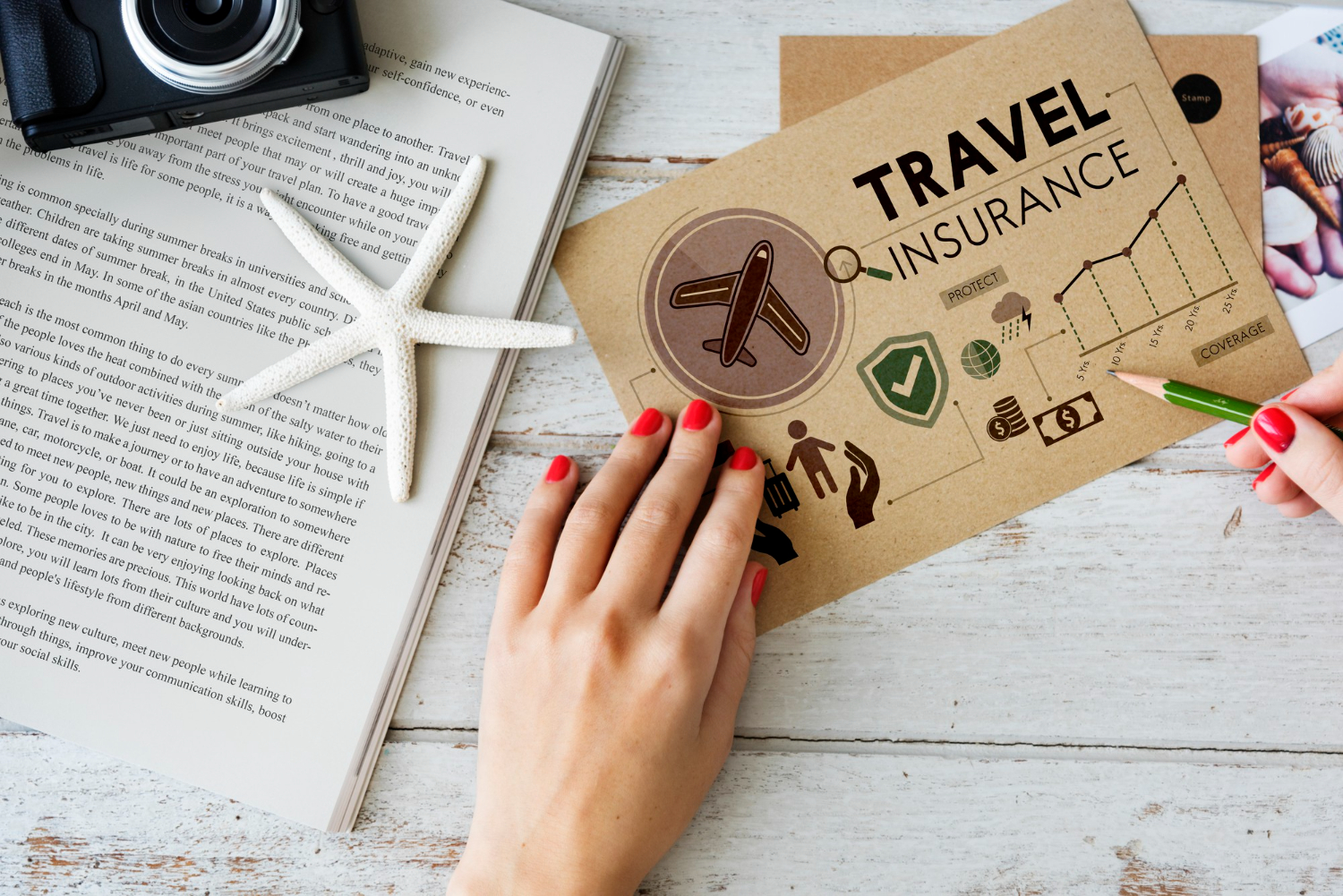
Travel Insurance 101: Essential Protection for Your Next Adventure
Introduction
When planning a vacation, most people focus on booking flights, finding accommodations, and mapping out exciting activities. But amid all the excitement, many overlook a crucial aspect of travel preparation: insurance. Travel insurance may not be the most thrilling part of planning, but it can be the most essential when the unexpected happens. From flight cancellations to medical emergencies abroad, travel insurance provides a safety net that can save you from financial setbacks and added stress.
In this comprehensive guide, we’ll explore what travel insurance is, why it’s essential, the different types available, and how to choose the right policy for your needs.
1. What is Travel Insurance?
Travel insurance is a specialized policy designed to cover a range of travel-related risks. These policies typically include coverage for trip cancellations, medical expenses, lost or delayed baggage, and other unforeseen events. Travel insurance aims to mitigate the financial losses and inconveniences travelers may face while away from home.
Key Components of Travel Insurance:
- Trip Cancellation or Interruption Coverage: Protects against financial losses if you need to cancel or cut short your trip due to specific reasons like illness, natural disasters, or a death in the family.
- Medical Coverage: Covers medical expenses if you fall ill or are injured during your trip. This can include hospitalization, doctor visits, and, in severe cases, medical evacuation.
- Baggage and Personal Belongings Coverage: Provides compensation for lost, stolen, or damaged luggage and personal items.
- Travel Delay Coverage: Offers compensation for additional expenses incurred due to flight delays or missed connections.
- Emergency Assistance Services: Provides 24/7 assistance for medical emergencies, legal issues, and more.
2. Why is Travel Insurance Essential?
Protects Against Financial Loss
Vacations can be a significant financial investment. Travel insurance provides reimbursement for various expenses, ensuring you don’t bear the full brunt of financial loss if things go wrong.
Offers Peace of Mind
Travel insurance can offer a sense of security, knowing that help is just a phone call away. With coverage in place, you can relax and focus on enjoying your vacation rather than worrying about potential mishaps.
Covers Medical Emergencies Abroad
Medical emergencies can be costly, especially if you’re in a country where healthcare is expensive or requires upfront payments. With travel insurance, you can get reimbursed for these expenses, ensuring you receive necessary medical care without worrying about costs.
3. Types of Travel Insurance
There are several types of travel insurance policies, each designed to cover specific aspects of travel. Understanding the differences can help you select the best coverage for your needs.
Single-Trip Travel Insurance
Ideal for occasional travelers, single-trip policies provide coverage for one trip and generally expire after the trip ends. These policies can include various levels of coverage, from basic to comprehensive.
Multi-Trip or Annual Travel Insurance
Frequent travelers may find multi-trip policies more convenient and cost-effective. These policies cover multiple trips within a year, making it easier to stay protected without having to purchase new insurance for each trip.
Medical Travel Insurance
This policy focuses primarily on health-related coverage. It’s an excellent choice for those who already have protection for things like trip cancellations through other means but want medical coverage abroad.
Group Travel Insurance
Perfect for families or groups traveling together, group travel insurance can be more affordable than purchasing individual policies. It provides coverage for all members of the group under a single policy, often with customizable options.
4. What Does Travel Insurance Typically Exclude?
While travel insurance offers extensive protection, it’s essential to understand its limitations. Policies generally exclude:
- Pre-existing Medical Conditions: Many policies exclude pre-existing conditions unless you purchase a waiver.
- Risky Activities: Certain activities like extreme sports or adventure travel may not be covered under standard policies.
- Travel to High-Risk Areas: Some policies may exclude coverage for regions deemed unsafe due to political instability or health risks.
- Self-Inflicted Issues: Losses resulting from intoxication, illegal activities, or negligence may not be covered.
5. Tips for Choosing the Right Travel Insurance
With so many options available, selecting the right travel insurance can feel overwhelming. Here are some tips to guide you:
- Evaluate Your Needs: Consider the destination, duration, and activities you’ll be engaging in during your trip. This will help you determine what type of coverage is essential.
- Check for Comprehensive Coverage: Ensure the policy covers trip cancellations, medical expenses, baggage loss, and delays. A comprehensive plan may cost more, but it provides greater peace of mind.
- Compare Providers: Shop around and compare policies from different insurers. Look at factors like coverage limits, exclusions, and customer reviews.
- Read the Fine Print: Understanding policy details is crucial. Pay close attention to exclusions, limitations, and any pre-existing condition clauses.
- Consider Travel Insurance Through Your Credit Card: Some credit cards offer travel insurance as a benefit. While this can provide basic coverage, it’s essential to read the terms to ensure it meets your needs.
6. Common Myths About Travel Insurance
Several misconceptions can deter people from purchasing travel insurance. Let’s debunk some of the most common myths:
- “I Don’t Need Travel Insurance for Short Trips.” Even a short trip can have unexpected disruptions, from flight delays to lost luggage. Travel insurance provides protection regardless of trip length.
- “My Health Insurance Will Cover Me Abroad.” Many health insurance policies offer limited or no coverage abroad. Travel insurance fills this gap, especially for emergency medical care and evacuation.
- “I’ll Be Fine Without It; Nothing Bad Will Happen.” No one can predict when a mishap might occur. Travel insurance acts as a safety net, ensuring you’re prepared for the unexpected.
7. How to File a Travel Insurance Claim
If you need to file a claim, it’s essential to have all necessary documentation. Follow these steps to ensure a smooth process:
- Report the Incident: Contact your insurance provider as soon as possible to report the issue and begin the claims process.
- Gather Documentation: Collect receipts, medical reports, police reports (if applicable), and any other relevant documents.
- Complete the Claim Form: Fill out the claim form provided by your insurer, ensuring all information is accurate and complete.
- Submit the Claim: Submit your claim form and supporting documents to your insurer. Keep copies for your records.
- Follow Up: Stay in contact with your insurer to monitor the progress of your claim and address any additional information requests.
Conclusion
Travel insurance may not be the first thing you think about when planning a trip, but it’s an invaluable investment that provides financial protection and peace of mind. By understanding what travel insurance covers and how to select the right policy, you can focus on enjoying your next vacation with confidence, knowing you’re protected against the unexpected.